








Cheap vs Cheapest: Buying Compact Machinery Without Getting Burned
2026-06-12
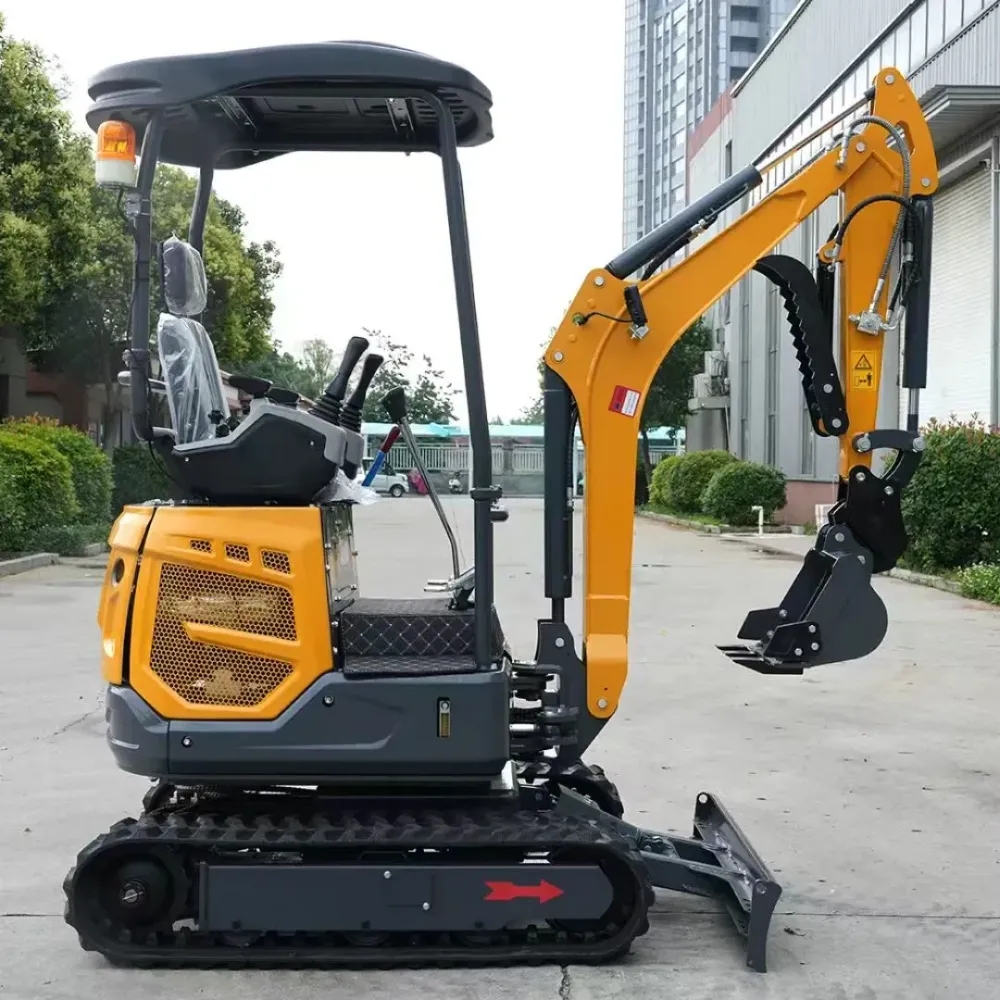
The cheapest mini excavator or skid steer is rarely the best value. A buyer's guide to the hidden costs, the cheap-versus-cheapest trap, and how to cut price without cutting quality.
There's a real difference between a cheap machine and the cheapest machine, and most buyers learn it the hard way. Cheap means good value — a fair price for capability you can actually use. Cheapest means the lowest sticker on the page, which is a different thing entirely and often a trap. Search for the cheapest mini excavator, the cheapest skid loader, or a cheap skidsteer and you'll find plenty of headline numbers that quietly become the most expensive option you've ever owned.
This guide is about buying low without buying badly — across compact equipment, not one category. The traps are the same across a digger, a loader, or a pallet jack.
Cheap vs cheapest: know which one you're chasing
The mental flip that saves you money is to stop comparing sticker prices and start comparing cost to own and run. A machine that costs ten percent more up front but holds its value, runs on parts you can actually get, and doesn't sit broken every month is the cheaper machine over its life. The lowest sticker is only the cheapest if everything else is equal — and it almost never is.
So when you see an affordable mini excavator priced well below the rest of the field, the right reaction isn't "great deal," it's "what's missing?" Sometimes the answer is honest — a leaner supplier with lower overhead. Sometimes it's a stripped configuration, no support, or parts you'll wait six weeks for. Your job is to find out which.
The hidden costs the sticker doesn't show
The lowest advertised price is a base price, and base prices hide the real number. Before you call anything cheap, add in the costs that the headline leaves out:
- Configuration — does that price include a quick coupler, a second bucket, a thumb, the attachment you actually need? A bare machine isn't the bargain it looks like.
- Freight and import — shipping, duties, and inland delivery can move the real landed cost a long way from the quote.
- Parts and downtime — a $40 filter you can't get fast costs you a day of work; a single long downtime can erase the whole saving.
- Resale value — an obscure machine with no parts support is hard to sell on, so you eat the depreciation.
Run those numbers and the most affordable mini excavator on landed, configured, supported terms is frequently not the one with the lowest sticker.
Where it's safe to save — and where it isn't
Cutting price doesn't have to mean cutting quality. There are honest places to save and dangerous ones. Spend where failure is expensive; trim where it isn't.
Safe to economize: a leaner supplier with lower overhead, an earlier model year, a slightly smaller machine that still covers your real workload, fewer cosmetic extras.
Never economize: the engine and hydraulic platform (insist on recognized, serviceable units), structural welds, the parts supply chain, and after-sales support. Save on those and the machine becomes a liability the first time it stops. Our mini excavator range and skid steer loader range list the components per model precisely so buyers can tell a lean-but-sound deal from a hollow one.
How to negotiate price without gutting quality
You can drive a hard number and still keep the things that matter. The trick is to negotiate on the right levers:
- Bundle, don't strip — ask for the attachments and spares included at a package price rather than chopping the machine down to nothing.
- Buy volume or timing — multiple units, or an order outside peak season, gives a supplier room to move.
- Trade terms, not capability — payment schedule and shipping consolidation are fair places to push; the warranty and parts commitment are not.
A good supplier will work with you on price and keep the support intact. A supplier who only gets cheaper by quietly removing the warranty or the spares is telling you exactly what their lowest price is worth.
Red flags on a too-cheap deal
Some low prices are a fair deal and some are a warning. Walk away when you see:
- No clear engine model or hydraulic make in writing.
- A price that only exists "if you order today" with no spec sheet behind it.
- A seller who can't say how a wear part reaches you, or how long it takes.
- A proprietary attachment interface that locks you into one expensive parts source.
- Vague or absent warranty and support terms.
Whether it's a cheap pallet jack or a digger, these flags predict the costs that don't show up until after the money's gone. A genuinely good-value supplier answers all of them without flinching.
Buy the value, not the number
The smartest buyers aren't chasing the lowest sticker — they're chasing the lowest cost of ownership, which is a completely different target. A cheap machine that runs on standard, serviceable components, ships configured for the work, and comes with real parts and support will out-earn the cheapest machine on the page every time. Get the landed, configured, supported price for two or three honest options and compare those. That's how you buy low without getting burned.
Browse our mini excavator range · — we reply within one business day.
Frequently asked questions
What's the difference between a cheap and the cheapest machine?
"Cheap" means good value — a fair price for capability you can use and a machine you can keep running. "Cheapest" means the lowest sticker, which is a different thing and often a trap. The cheapest machine is only truly the cheapest if its parts, support, configuration, and resale value match the alternatives, which they rarely do.
Is the cheapest mini excavator worth buying?
Only if the low price comes from honest savings — a leaner supplier, an earlier model year, a right-sized machine — rather than a stripped configuration, no support, or parts you can't get. Compare the landed, configured, supported price, not the headline number; a low sticker with a six-week parts wait usually costs more to own than a fairly priced machine.
What hidden costs come with a cheap skid steer or loader?
The sticker hides configuration (couplers, attachments, spares), freight and import duties, parts availability and downtime, and resale value. A bare machine with no support and obscure components can quietly become the most expensive option you own. Always add those costs in before deciding which deal is actually the cheapest.
How can I get a lower price without sacrificing quality?
Negotiate on the right levers — bundle attachments and spares into a package, buy in volume or off-peak, and push on payment terms and shipping rather than on the warranty or parts commitment. Never economize on the engine and hydraulic platform, structural welds, or after-sales support, because failure in those areas erases any upfront saving.
Related articles
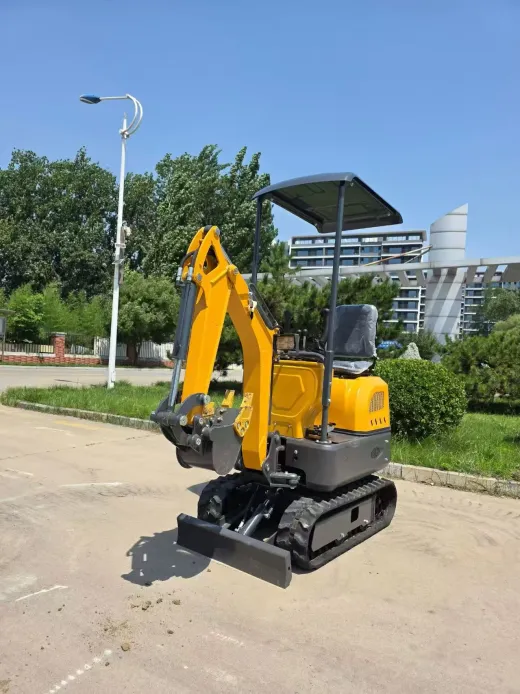
Amphibious Mini Excavators: Working on Water, Marshes & Wetlands
A clear-headed guide to amphibious and floating mini excavators — how pontoon undercarriages work, where they outperform standard machines, their real limitations, and when wide rubber tracks are the smarter choice for wet and soft-ground work.
Read more →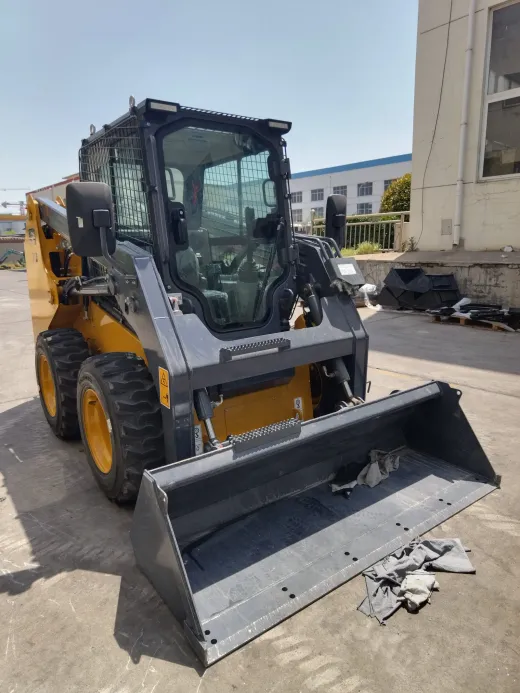
Articulating Loaders Explained: Compact & Mini Articulated Loaders
An articulating loader offers superior maneuverability in tight spaces where conventional machines struggle. This guide covers everything buyers need to know about small, compact, and mini articulated loaders — from how they work to what to look for when shopping.
Read more →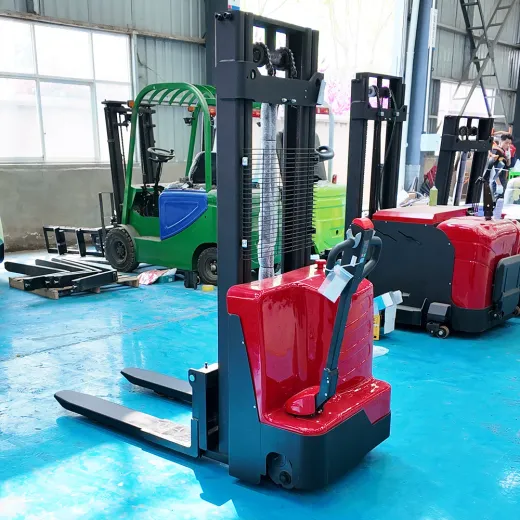
Autonomous Pallet Movers & AGV Pallet Jacks: What Warehouses Need to Know
Before spending six figures on an autonomous pallet mover or AGV pallet jack system, read this guide. We break down how the technology works, true ROI timelines, and why most small-to-mid-size warehouses still get better returns from electric stackers and manual pallet trucks.
Read more →