








Forklifts for Narrow Aisles: Reach Trucks, Stackers and Aisle Math
2026-06-12
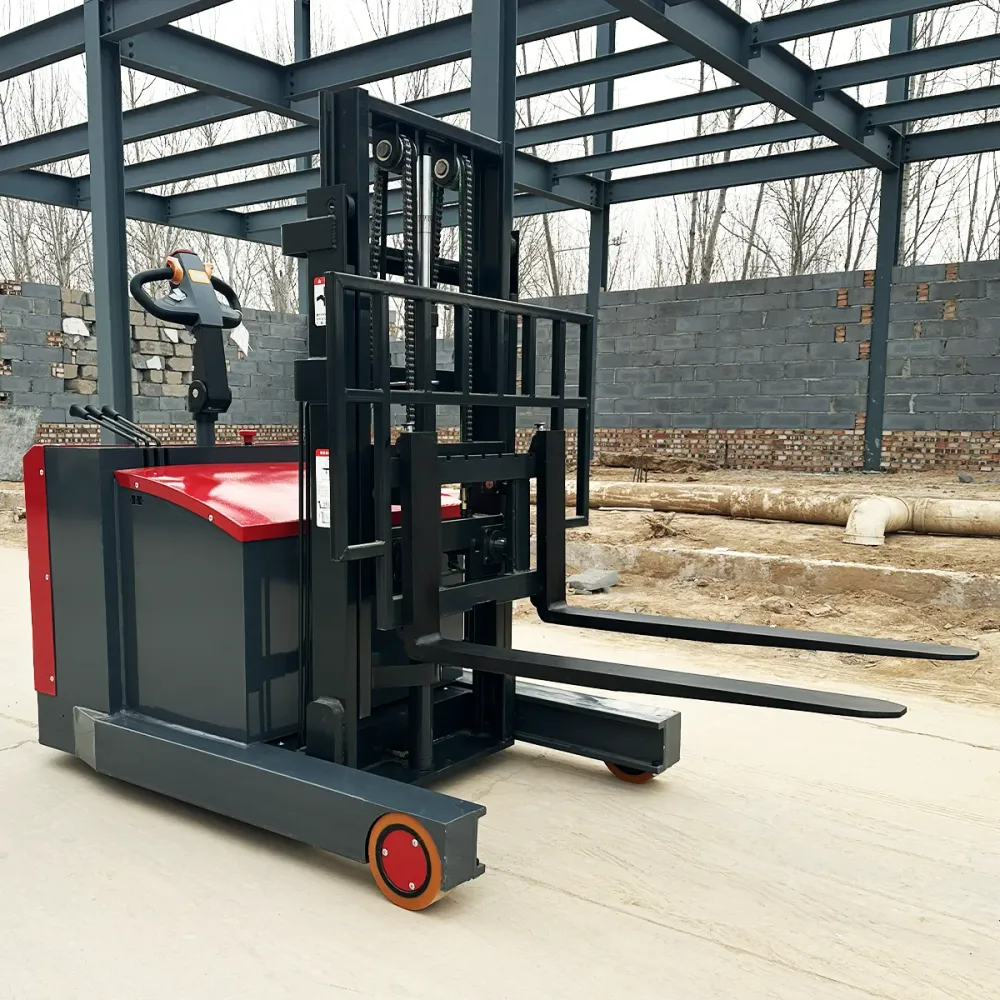
Choosing forklifts for narrow aisles comes down to aisle width versus storage density. Here's how reach trucks and stackers stack up, and how to find the best narrow aisle forklift for your racking.
Floor space is the most expensive thing in a warehouse, and a counterbalance forklift wastes a lot of it. Every aisle you widen to swing a standard truck is a row of racking you didn't build. That's why high-density storage runs on a different class of machine. The question of which forklifts for narrow aisles to buy isn't really about the truck — it's about how tight you can run the aisles and still get a pallet in and out safely.
Get the aisle math right and you pull more pallet positions out of the same building. Get it wrong and you've either crashed racking or left money on the floor.
Start with the aisle, not the truck
The first number to lock down is your aisle width. A standard counterbalance truck typically needs a wide aisle to turn and load a pallet square. Pull that aisle in and the machine simply can't articulate. So before you shop for a truck, decide how much of your footprint you're willing to give back to racking versus aisles.
Three broad bands cover most warehouses:
- Wide aisle — a sit-down counterbalance truck works, but you carry the floor-space penalty.
- Narrow aisle — this is where a reach truck earns its keep, reaching the load into the rack without the chassis needing room to turn.
- Very narrow aisle (VNA) — guided trucks that lift to the top beam in aisles barely wider than the pallet itself.
Measure your tightest run before you spec anything. Storage density is decided here, not at the rack.
Why a reach truck beats a counterbalance in tight rows
A counterbalance truck carries the load out front and uses its own weight as the counterweight, which is why it's long and needs room to turn. A reach truck works differently: the mast reaches forward to set the pallet into the rack, so the body stays in the aisle and never has to swing wide. That single design change is what lets you tighten the aisle and add rows.
Reach trucks also lift higher than most walk-behind gear, so you can build up instead of out. If your constraint is ceiling height as much as floor, this is usually the machine that converts it into pallet positions. For a side-by-side of the three handling classes, our guide on choosing between a pallet jack, stacker and reach truck walks the trade-offs.
Where electric stackers fit
Not every narrow-aisle job needs a full reach truck. If your throughput is moderate, your lifts aren't to the top beam, and you're moving pallets short distances, a walk-behind or ride-on electric stacker does the work for far less. An electric stacker has a compact footprint, turns in a tight aisle, and stacks to mid-height racking comfortably.
The honest rule: match the machine to the lift height and the number of pallet moves per shift. Buying a reach truck for a job a stacker handles wastes capital; buying a stacker for top-beam, high-cycle work just slows the building down.
The density trade-off, in plain numbers
Going narrow isn't free. As the aisle tightens, you gain pallet positions but you ask more of the operator and the truck — less margin for error, slower travel in some cases, and tighter tolerances on rack alignment and floor flatness. The pay-off has to clear those costs.
- Pallet positions gained — every aisle you narrow can convert to additional racking rows across the building.
- Floor flatness — narrow-aisle trucks lifting high are unforgiving of a bad floor. Budget for it.
- Operator skill — tighter aisles reward trained operators and punish casual ones.
Run the math on positions gained against the cost of the right truck and the floor work. In a building where space is the bottleneck, the narrow-aisle setup almost always wins. In a half-empty warehouse, it rarely does.
Power and duty cycle
Narrow-aisle trucks are electric for a reason — you can't run combustion exhaust in a tight indoor aisle. That makes battery type and shift pattern part of the buying decision. Single-shift operations get by on a standard charge; multi-shift, high-cycle warehouses want fast-charging or swappable batteries so the truck isn't parked when the dock is busy. The cost of a truck standing idle on charge during a peak shift is easy to underestimate until it's your bottleneck.
Factor charging into your aisle plan too. A charging bay is floor space, and an opportunity-charge battery you top up during breaks can save you from building a dedicated room. Lithium batteries take opportunity charging without the wear penalty of older chemistries, which is part of why they've taken over high-cycle warehouse work. Match the battery strategy to how hard and how continuously the truck actually runs — over-spec is wasted money, under-spec is a truck that's never available when you need it.
A narrow-aisle buying checklist
Before you ask for a quote on the best narrow aisle forklift for your site, have these ready:
- Tightest aisle width you can run after racking is set
- Maximum lift height — top beam you need to reach
- Pallet moves per shift and number of shifts
- Floor condition and flatness
- What you're optimizing for — density, throughput, or both
Bring those five and any supplier can match a reach truck or stacker to the job in one conversation. Bring none and you'll be sold the truck that's in stock, not the one that fits your building.
Browse our reach truck range · — we reply within one business day.
Frequently asked questions
What forklift is best for narrow aisles?
For high racking in a narrow aisle, a reach truck is usually the answer — the mast reaches the load into the rack so the chassis never has to swing wide. For moderate lift heights and lower throughput, an electric stacker does the same job in a smaller package and for less money. Match the machine to your lift height and pallet moves per shift.
How narrow can a reach truck aisle be?
A reach truck runs aisles far tighter than a counterbalance forklift because it doesn't need room to turn — it reaches the pallet forward into the rack. Exactly how narrow depends on the truck's dimensions and your pallet size, so measure your tightest run and check it against the truck's required aisle width before you commit racking layout.
Reach truck or electric stacker for a warehouse?
Choose a reach truck when you lift to high racking and move a lot of pallets per shift. Choose an electric stacker when lift heights are moderate, distances are short, and throughput is lower — it costs less and turns tighter. Buying the heavier machine for a lighter job wastes capital.
Does narrowing aisles actually add storage?
Yes — every aisle you tighten can convert to additional racking rows across the building, which is why high-density warehouses run narrow-aisle trucks. The catch is that narrow aisles demand a flat floor, trained operators, and the right truck, so the pallet positions gained have to clear those added costs.
Related articles
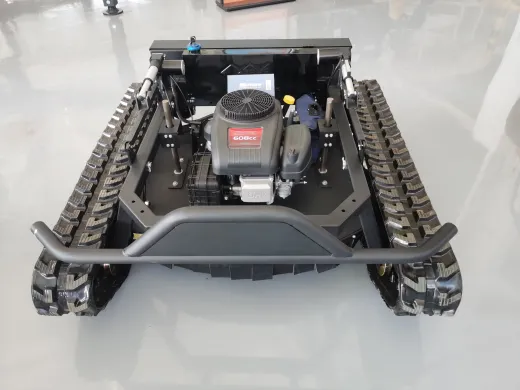
Best Mower for Steep Slopes and Hills: How to Choose Safely
Finding the best mower for steep slopes, hills, and banks — from push mowers and riding mowers to tracked zero-turn conversions and remote-control slope mowers. Safety grades, robot mower limits, and what commercial operators actually use.
Read more →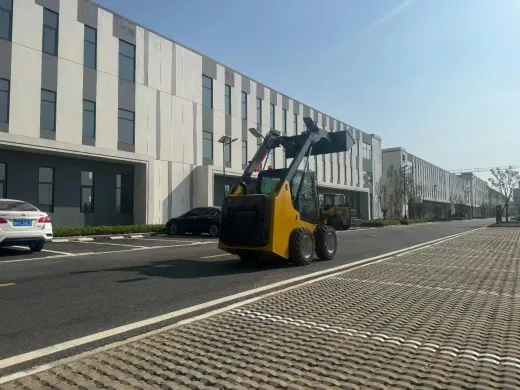
Best Skid Steer for Mulching, Land Clearing and Snow Removal
The best skid steer for mulching, land clearing or snow removal isn't one model — it's the right hydraulic flow, traction and attachment for the job. Drum mulcher vs disc, brush hog vs flail mower, stump grinder vs tree shear: here's how to spec the machine and pick every attachment.
Read more →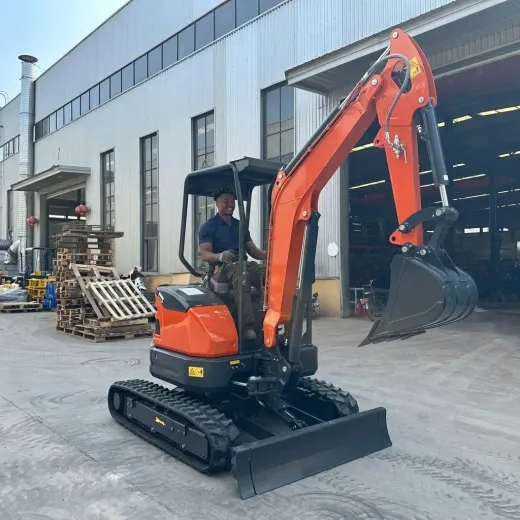
Mini Excavator Uses: Landscaping, Trenching, Trails, Stumps and More
A mini excavator for landscaping, trenching, trail building, stump work, post holes and backyard projects earns its keep fast. Here are the jobs a compact digger does best and how to set one up for each.
Read more →