








Mini Excavator Cost: What Drives the Price and How to Budget
2026-06-12
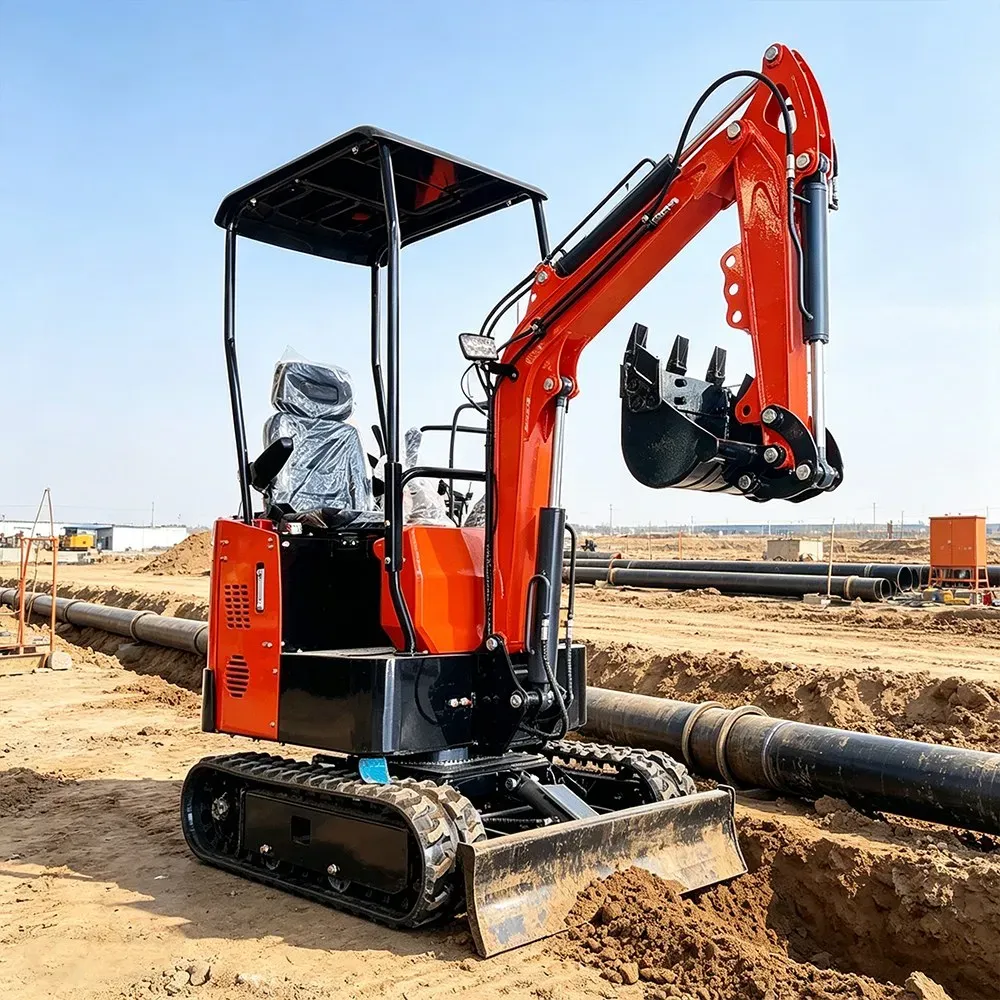
What really drives mini excavator cost — weight class, attachments, freight and running costs — plus compact excavator prices, cheap mini digger options, Chinese pricing, and finance. No sticker prices, just the real math.
Ask five suppliers what a mini excavator costs and you'll get five different numbers, none of which are comparable. The reason is that the base machine is only part of the bill. Mini excavator cost swings with weight class, how it's configured, where it ships from, and what it costs to run once it's on your site. This guide breaks down what actually moves the price so you can build a realistic budget and know what to ask before you request a quote. We don't post sticker prices here — anyone who quotes you a single figure without knowing your spec is guessing.
What weight class does to the price
The single biggest driver of mini excavator cost is operating weight. A 1 ton micro machine, a 2 to 3.5 ton all-rounder, and a 5 to 8 ton digger sit at very different price points because they carry different engines, hydraulics, undercarriages, and dig force. Each step up in class adds material cost to the machine and ongoing cost to your operation.
The trap buyers fall into is sizing for the rare big job instead of the regular work. A heavier machine costs more up front, burns more fuel, needs a bigger trailer, and is harder to get into tight access. If you only need the extra reach once or twice a year, rent for those days and buy for your everyday job. Our guide to mini excavator sizes walks through which class fits which work.
Configuration is half the number
A base machine price means very little until you know what's attached to it. The same chassis can vary widely in cost of new mini excavator once you add the equipment that makes it useful:
- Quick coupler and a second or third bucket
- Hydraulic thumb, auger, breaker, or compaction plate
- Cab with heat or AC versus an open canopy
- Rubber versus steel tracks, and spare track sets
- Auxiliary hydraulic circuits to run attachments
When you compare suppliers, compare configured machines, not bare ones. A low base price with no coupler, one bucket, and no auxiliary hydraulics is not the bargain it looks like — you'll spend the difference adding what you actually need. Always ask what's included before you compare anything.
Freight, duty, and landed cost
For buyers importing machines, the price on the quote is rarely the price at your yard. Ocean freight, container handling, import duty, and inland transport all stack onto the landed cost, and they vary a lot by destination. A machine that looks cheap ex-works can land expensive once it crosses an ocean.
Ask for the price on the same Incoterms every time — FOB, CIF, or delivered — so you're comparing like with like. Then add your local duty and the cost of getting the machine from the port to your site. That landed number is the one that matters, not the headline figure.
Running cost: the part of the price you keep paying
Purchase price is a one-time event. Running cost is forever, and over a few years it can rival the price of the machine itself. When buyers search mini excavator cost per hour, this is what they're really after. The main lines are:
- Fuel — driven by engine size and how hard you work the machine.
- Maintenance — filters, fluids, greasing, and scheduled service.
- Wear parts — rubber tracks, bucket teeth, and pins are consumables. Tracks alone are a recurring line; our rubber tracks guide covers how long they last and when to replace them.
- Depreciation — the machine is worth less each year, and resale value depends heavily on hours and condition.
A slightly cheaper machine that's expensive to service and slow to get parts for can cost more over its life than a dearer one with good support. This is where parts availability stops being a footnote and starts being a budget line.
Why parts and support belong in the budget
The cheapest machine to buy is not always the cheapest to own. If a track, a filter, or a hydraulic ram takes six weeks to arrive, the machine sits idle and the job stalls — and downtime on a working machine costs more than the part ever did. When you budget, factor in how fast you can get common parts and whether the engine and hydraulics are platforms a local technician can service.
We build our mini excavator range on standard engine and hydraulic platforms specifically so parts are available and service is straightforward wherever the machine lands. That keeps the running side of the cost predictable, which is the part of the budget most buyers underestimate.
Budget excavators: what the cheap end actually offers
Buyers searching for a cheap mini digger, the best cheap mini excavator, or cheap mini diggers for sale are usually asking the right question for the wrong reason. A cheap digger at the bottom of the market — whether a cheap micro digger, a cheap small excavator, or a cheapest micro excavator — exists because something was cut: usually the hydraulic system quality, the track compound, or the steel gauge. None of those cuts are visible on delivery; they show up after six months of work.
The genuine value proposition at the lower end is a cheapest new mini excavator or cheapest compact excavator from a manufacturer who builds on standard platforms but keeps the price down by simplifying configuration rather than compromising components. A mini backhoe for sale under $5000 is typically a tractor-mounted attachment rather than a purpose-built machine. A mini excavator for sale under $10,000 or an excavator for sale under $20,000 narrows the field to the lightest micro class machines from manufacturers building at volume. The best deal on mini excavator is not the lowest sticker price — it's the machine that delivers the lowest cost per productive hour over its working life.
Cheap micro digger for sale listings exist at every price point; the question is what they're built on. Ask about the engine brand, hydraulic pump supplier, and track compound before you commit to the lowest price. The best mini excavator for price and best price mini excavator searches reward buyers who know their spec sheet well enough to compare apples to apples.
Chinese mini excavator prices: what you're actually buying
Chinese mini excavator price and china mini excavator price searches reflect a genuine market reality: Chinese-built machines now represent a large share of global compact excavator volume, and their price points undercut legacy Western brands substantially. A chinese mini digger price at FOB can look dramatically lower than a comparable European or Japanese machine — but the comparison needs unpacking.
The gap has narrowed on major components. Most volume Chinese manufacturers now use Yanmar, Kubota, Isuzu, or equivalent Tier 4-compliant engines, and Kawasaki or Bosch Rexroth hydraulics — the same platforms as the machines that cost twice as much. Where the price difference persists, it's in brand premium, dealer network, and the cost of that network's support infrastructure. For buyers who have their own service capacity or operate in markets with strong independent service, a well-specified Chinese machine on standard platforms is genuine value. For buyers who rely entirely on a dealer service network and need fast parts for revenue-critical machines, the premium brand's logistics infrastructure has real worth.
Brand-specific searches — agrotk mini excavator price, groundhog mini excavator price, ht10 mini excavator price, kato mini excavator price, nicosail excavator price, nuoman mini excavator price — are buyers trying to get specific model-level pricing. These vary significantly by configuration, destination, and the Incoterms on the quote. The 300.9 d mini hydraulic excavator price, for example, is a Caterpillar micro-class machine — at a premium that reflects Cat's dealer network and parts availability rather than a fundamental component advantage. Prices on mini excavators across these brands only make sense when compared on the same spec and the same delivery terms.
Finance: spreading the mini digger cost over time
For buyers who ask about mini digger on finance or want to spread the mini digger cost to buy over time, equipment finance is widely available and often makes more sense than paying cash — particularly when the machine is working and generating revenue from day one. Lease, hire-purchase, and equipment loan structures all exist; the right structure depends on your tax position and whether you want ownership at the end of the term.
The mini digger price and cost of a mini digger quoted on finance terms looks different from the cash price. When comparing new mini digger prices across suppliers, check whether the finance quotes are on the same term length and residual value. A lower monthly payment can reflect a longer term or a higher residual, not a cheaper machine. Compare the total cost over the finance period, not just the monthly number.
The relevant prices to anchor on: compact excavator price, excavator mini price, mini excavator for sale price, small excavator price, small digger price, price of small excavator, and small excavator cost are all ways buyers search for the same information. The micro excavator price sits at the low end of that range. What moves all of these numbers is the same thing: weight class, configuration, delivery terms, and whether you're comparing a bare chassis or a ready-to-work machine.
How to budget and what to ask for a quote
Build your budget from the work backward, not from a headline price forward. Before you ask any supplier for a number, have these ready:
- The weight class your regular work actually needs
- The attachments and coupler you'll run now and within a year
- Your delivery terms and destination, so the quote reflects landed cost
- Whether you want a cab or canopy, and which track type suits your ground
Bring those four and a supplier can quote a configured machine you can compare directly. Bring none of them and you'll get a low number that grows every time you add what you forgot. A clear spec is the cheapest cost-control tool you have.
Browse our mini excavator range · — we reply within one business day.
Frequently asked questions
How much does a mini excavator cost?
There's no single figure, because the price depends on weight class, how the machine is configured, and where it ships to. A 1-ton micro machine, a 2 to 3.5 ton all-rounder, and a 5 to 8 ton digger sit at very different price points, and attachments, cab, and tracks move the number further. The most useful step is to spec the machine to your work and ask for a configured quote on fixed delivery terms.
What is the cost per hour to run a mini excavator?
Running cost per hour comes mainly from fuel, scheduled maintenance, wear parts like rubber tracks and bucket teeth, and depreciation. It varies with how hard the machine is worked and how easily you can get parts. A machine that's cheap to buy but slow to service often costs more per hour over its life than a dearer one with good parts support.
Why are mini excavator quotes so different between suppliers?
Usually because they're quoting different things. One price may be a bare chassis with a single bucket; another includes a coupler, a thumb, auxiliary hydraulics, and a cab. Prices also differ by delivery terms. Ask every supplier to quote the same configuration on the same Incoterms so you're comparing like with like.
Is a cheaper mini excavator more expensive to own?
It can be. A low purchase price means little if parts are slow to arrive or the engine and hydraulics are hard to service locally, because downtime and waiting cost real money. Budget for parts availability and serviceability alongside the sticker price — the total cost of ownership is what counts, not the headline number.
Are cheap Chinese mini excavators worth buying?
Chinese-built machines now use many of the same engine and hydraulic platforms as much more expensive Western machines. The gap that remains is parts logistics and dealer support infrastructure. For buyers with their own service capacity or good local independent support, a well-specified Chinese machine on standard platforms is genuine value. The key question is not the country of origin but what engine, hydraulic pump, and track compound are fitted.
Can I buy a mini excavator on finance?
Yes — equipment finance (lease, hire-purchase, or equipment loan) is widely available for mini excavators and often makes sense when the machine is generating revenue from day one. Compare finance quotes on the same term length and residual value, not just the monthly payment, to see the real total cost.
What is the price range for a compact or micro excavator?
Micro and compact excavator prices vary widely with weight class, configuration, and origin. Micro-class machines under 1 ton at the simplest configuration sit at the lowest end; configured mid-class machines with cab, coupler, and attachments sit significantly higher. Ask for a configured quote on fixed delivery terms — the landed, configured price is the only number that allows a genuine comparison.
Related articles
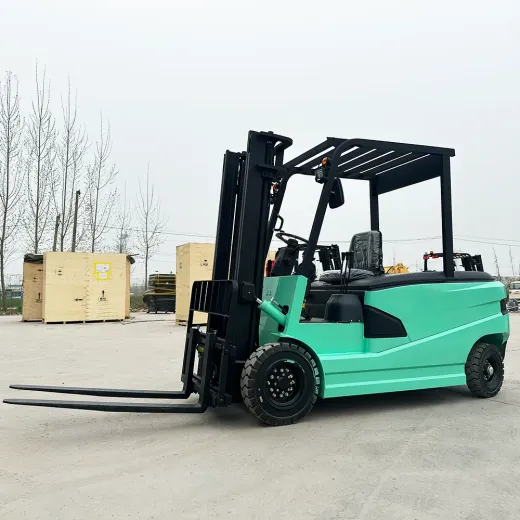
Electric Forklift Cost: Lithium vs Lead-Acid and the TCO Math
What drives electric forklift cost and forklift battery cost — lithium versus lead-acid TCO math, battery voltages (24V, 36V, 48V, 80V), brand options, and everything involved in buying, changing, and replacing a fork truck battery.
Read more →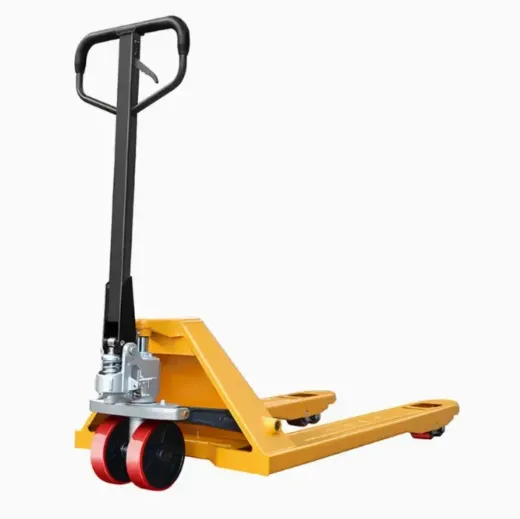
Pallet Jack and Pallet Truck Cost: What You Pay For and Why
What drives pallet truck cost — manual versus electric, capacity, fork size, battery and running costs — and how to budget before you request a quote. No sticker prices, just the real factors.
Read more →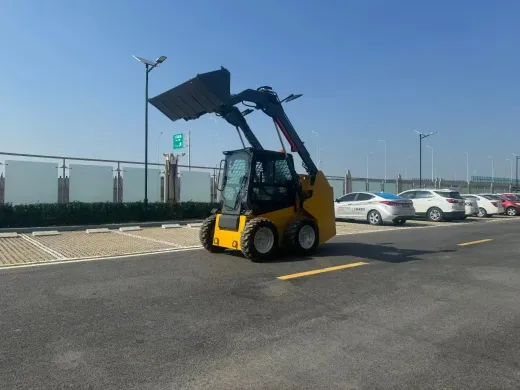
Skid Steer Loader Cost: What Sets the Price and How to Budget
What drives skid steer loader cost — size, rated capacity, attachments, freight and running costs — and how to budget new skid steer prices, mini skid steer price, and compact track loader cost before you ask for a quote.
Read more →