








Mini Excavator vs Backhoe Loader: Which One Should You Buy?
2026-06-12
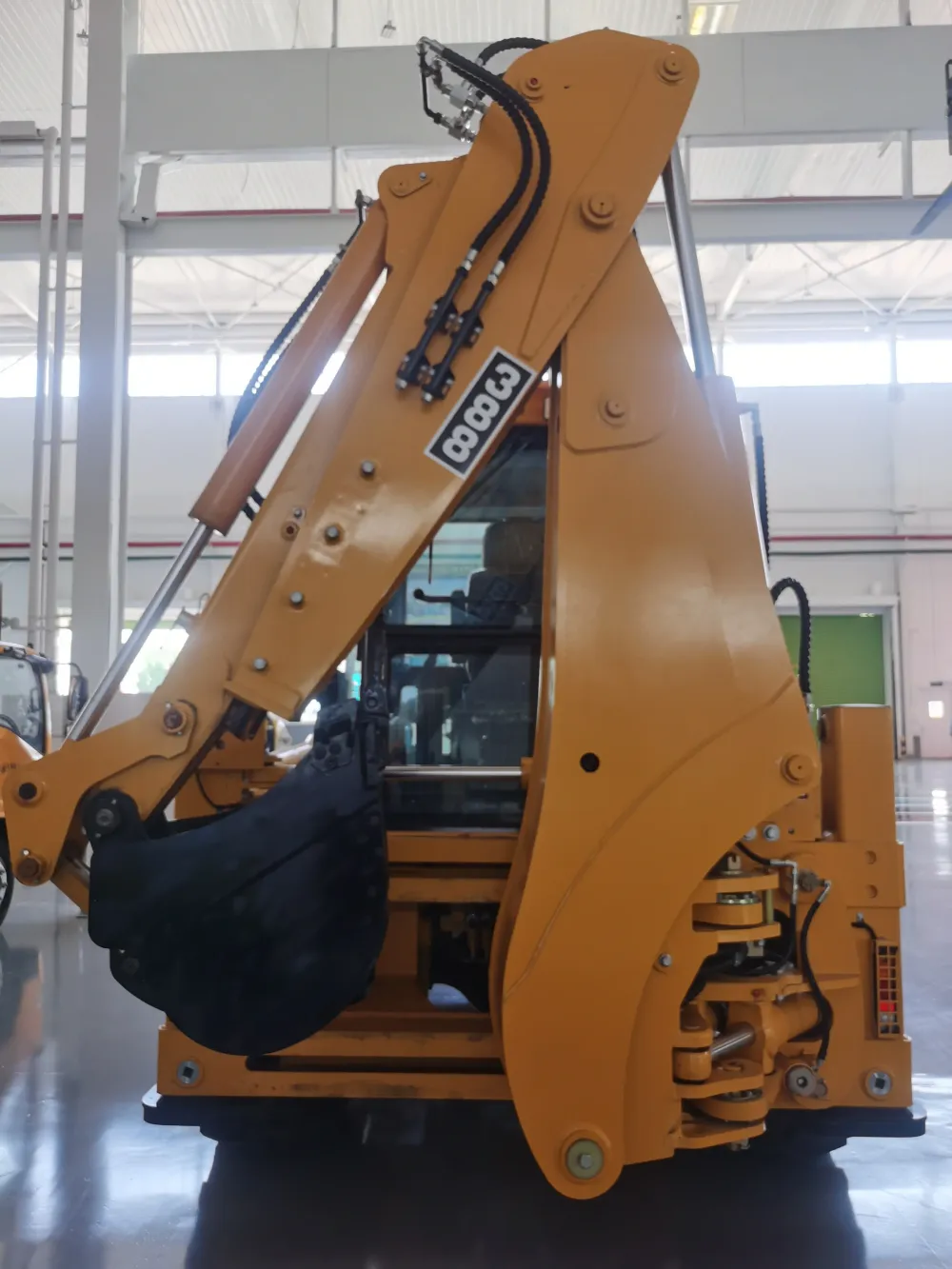
Mini excavator vs backhoe loader — and where a skid steer fits — comes down to dig depth, mobility and whether you need to load. Here's a clear comparison to pick the best mini excavator or the best small backhoe for your work.
Two machines, one budget, and they overlap just enough to make the choice hard. A mini excavator and a backhoe loader both dig, both run attachments, and both turn up on the shortlist for the same jobs. But they're built around different priorities, and picking the wrong one means either a machine that can't do half your work or one that's clumsy at the half you do most. This is a comparison to decide which type fits — once you've settled that, sizing and spec'ing the machine you chose is a separate step we link out to.
The core difference in one line
A mini excavator is a digging machine on tracks: it rotates 360 degrees, digs deep, and gets into tight spaces. A backhoe loader is a digger and a loader bolted onto one wheeled chassis: it digs from the back and loads, levels, and carries from the front. So the real question isn't which digs better — it's whether you mainly dig, or whether you dig and load and need to drive between jobs on your own wheels.
Dig depth and digging performance
For pure digging, the comparison splits by class. A backhoe loader generally reaches deeper than a comparable compact machine, which is why it's a go-to for utility trenches and deeper footings. A mini excavator trades some outright depth for something a backhoe can't match: full 360-degree rotation. It can dig, swing, and dump anywhere around itself without repositioning, which makes it faster and cleaner in confined work. If your jobs are deep and open, the backhoe's reach wins; if they're tight and need constant repositioning, the excavator's slew wins.
Mobility and getting around
This is where the two diverge most. A backhoe loader drives on wheels at road speed, so it travels between sites under its own power — no trailer needed for short hops. That's a real advantage for contractors covering several jobs across town. A mini excavator runs on tracks, which means low ground pressure and excellent stability on soft or uneven ground, but you trailer it from site to site. Tracks also let it work on slopes and finished surfaces a wheeled machine would tear up or slip on. Pick by how spread out your work is and what the ground is like.
Loading and multi-tasking
The backhoe's front loader is its trump card. A backhoe loader can dig a trench, then swap to the front bucket to load the spoil into a truck, backfill, and grade — all without a second machine on site. A mini excavator digs and can grab or place with the right attachment, but it doesn't have a true loading bucket to scoop and carry volume. If your work routinely involves moving material as well as digging it, that built-in loader is often the deciding factor.
Access, footprint and finished ground
Where space is tight, the mini excavator pulls ahead. Compact models slip through gates, work between buildings, and turn within their own footprint — many have a tail that barely overhangs the tracks so you can dig hard against a wall. A backhoe loader is a bigger, longer machine that needs room to position both ends. On landscaping, residential, and any job behind a house or on a finished surface, the smaller tracked machine is usually the practical choice; on open construction with room to swing, the backhoe's size isn't a problem.
Cost, transport and running it
The two also differ in how they cost you money over time, and it's worth weighing at the type level before you get into specs. A backhoe loader is one machine doing two jobs, so against buying a separate digger and loader it can be the cheaper route to both capabilities — and driving itself between sites saves on float and trailer hire if your work is spread out. A mini excavator is usually lighter on fuel and simpler to maintain, and because it trailers easily a contractor can move it with a pickup and a small trailer rather than needing a road-legal machine. Neither is flatly cheaper; it depends on whether you need one capability or two, and how far apart your jobs sit. Keep this at the comparison level for now — the per-machine cost factors come once you've picked a type.
Where a skid steer fits: mini excavator, skid steer, or backhoe?
Many buyers arrive at this comparison after also looking at a skid steer, and it's worth positioning all three at once. The mini excavator skid steer question is common because both are compact and run attachments, but they do fundamentally different work. A skid steer and mini excavator together form a natural compact fleet: the skid steer handles material moving, grading, and surface work — pushing, loading, and leveling — while the excavator handles digging, trenching, and precision placement. Neither does the other's primary job well.
When buyers ask about a "loader and excavator" setup, they're really asking whether they need to move material as well as dig. If the answer is yes and the site is tight, a skid steer loader alongside a mini excavator covers both tasks better than a single backhoe in many access-constrained situations. If you're on a larger, more open site and want one machine that digs and loads, the backhoe is the more elegant single-machine answer. Compact yards, residential plots, and jobs behind fences tend to favor the excavator-plus-skid-steer pairing; open construction sites with room to maneuver often favor the backhoe's self-sufficiency.
A quick side-by-side
Lined up against each other:
- Dig depth — backhoe loader reaches deeper in its class; mini excavator digs plenty for most site work.
- Rotation — mini excavator slews 360 degrees; backhoe digs in a fixed arc from the rear.
- Travel — backhoe drives between sites on wheels; mini excavator trailers but handles soft ground and slopes better.
- Loading — backhoe has a true front loader; mini excavator does not.
- Access — mini excavator fits tight sites; backhoe needs room.
- Compact fleet option — pairing a mini excavator with a skid steer gives you dig-and-load capability in a tight footprint, as an alternative to one backhoe.
If you mostly dig in tight or finished spaces and want one machine that's nimble, lean mini excavator. If you dig, load and roll between jobs, lean backhoe. If you need both digging and bulk material handling in a compact footprint, consider the excavator-and-skid-steer pairing.
Once you've picked a type
Choosing the machine type is only half the decision — sizing and spec'ing the one you picked is the other half, and it's a job of its own. If you're leaning toward the tracked machine, our guide on how to choose a mini excavator walks weight class, dig depth, access width and attachments. If the loader's versatility won you over, see choosing a backhoe loader for sizing the best small backhoe to your work. Settle the type here, then size it there.
Browse our mini excavator range · — we reply within one business day.
Frequently asked questions
Should I buy a mini excavator or a backhoe loader?
Buy a mini excavator if you mostly dig in tight or finished spaces and want a nimble machine that rotates 360 degrees and handles soft ground and slopes. Buy a backhoe loader if you dig and load, need to move material with a front bucket, and want to drive between sites on wheels without a trailer. The choice hinges on whether you just dig, or dig and load.
What digs deeper, a mini excavator or a backhoe?
A backhoe loader generally reaches deeper than a comparable compact machine, which makes it a strong choice for deeper trenches and footings. A mini excavator trades some outright depth for full 360-degree rotation, which makes it faster in tight, confined work. For most general site digging, either has the depth you need.
Can a mini excavator load a truck like a backhoe?
Not the same way. A backhoe loader has a true front loading bucket to scoop and carry volume, so it can dig a trench and then load the spoil itself. A mini excavator can grab or place material with the right attachment, but it has no loading bucket, so for routine material moving the backhoe's built-in loader is the better fit.
Which is more versatile, a mini excavator or a backhoe loader?
It depends on the work. A backhoe loader is more versatile per machine because it digs and loads from one chassis and drives between jobs. A mini excavator is more versatile on access and ground type — it fits tight sites, works on slopes and finished surfaces, and slews 360 degrees. Match the versatility you actually need to your typical jobs.
Mini excavator vs skid steer: which should I buy?
They do different jobs, so the real question is whether you need both. A mini excavator digs, trenches, and places material precisely with 360-degree rotation. A skid steer loader moves, grades, and handles bulk material. On a compact site that needs both digging and material handling, pairing a mini excavator and a skid steer often beats trying to make one machine do both jobs. If budget allows only one, choose based on your primary task: digging means excavator, bulk moving means skid steer.
Related articles
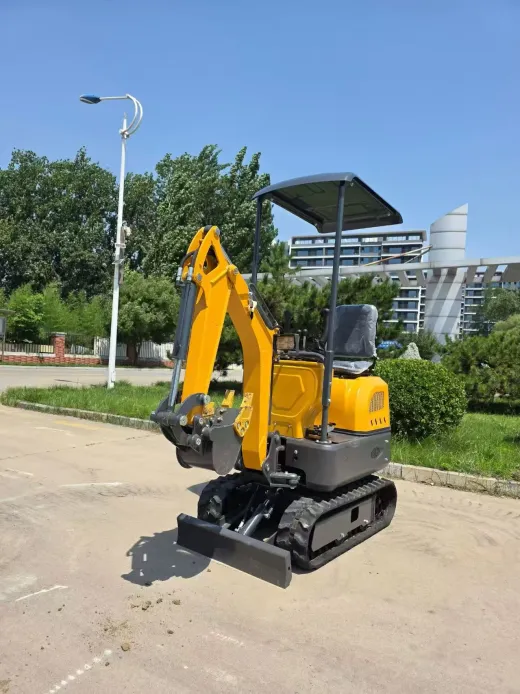
Amphibious Mini Excavators: Working on Water, Marshes & Wetlands
A clear-headed guide to amphibious and floating mini excavators — how pontoon undercarriages work, where they outperform standard machines, their real limitations, and when wide rubber tracks are the smarter choice for wet and soft-ground work.
Read more →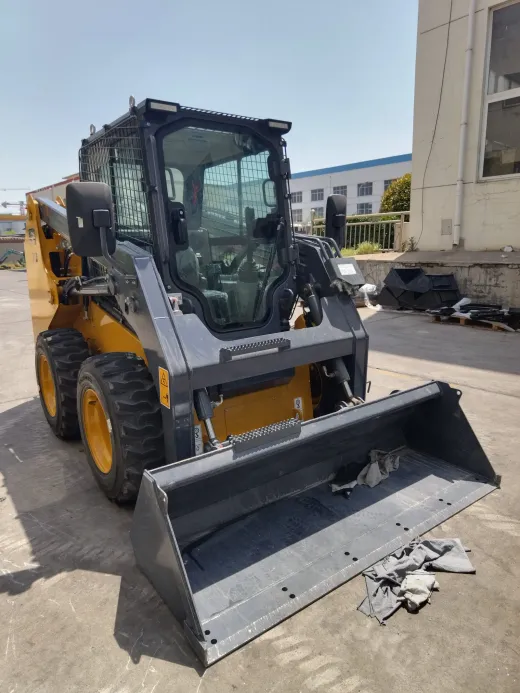
Articulating Loaders Explained: Compact & Mini Articulated Loaders
An articulating loader offers superior maneuverability in tight spaces where conventional machines struggle. This guide covers everything buyers need to know about small, compact, and mini articulated loaders — from how they work to what to look for when shopping.
Read more →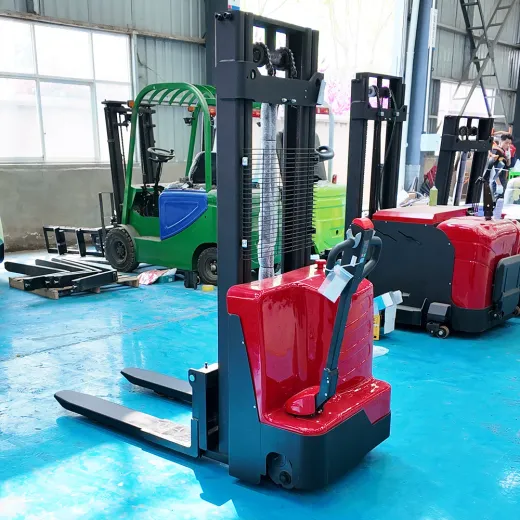
Autonomous Pallet Movers & AGV Pallet Jacks: What Warehouses Need to Know
Before spending six figures on an autonomous pallet mover or AGV pallet jack system, read this guide. We break down how the technology works, true ROI timelines, and why most small-to-mid-size warehouses still get better returns from electric stackers and manual pallet trucks.
Read more →